
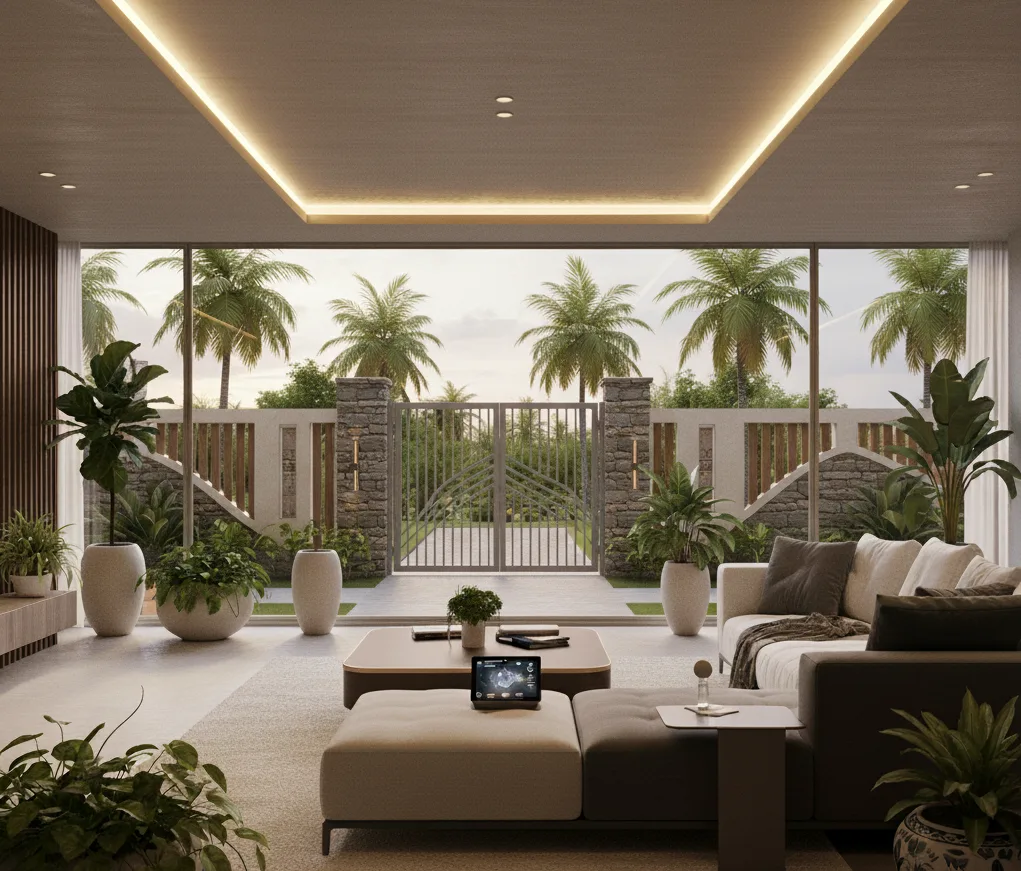
The Rise of Smart Interiors: Automating Your Space for Comfort and Efficiency
In an era where technology seamlessly blends with daily life, smart interiors are transforming homes and offices into intelligent, responsive environments. From voice-activated lighting to AI-driven climate control, automating spaces is no longer a luxury but a necessity for modern living. In bustling cities like Coimbatore and Bangalore, where urban lifestyles demand efficiency and sustainability, smart interiors offer innovative solutions to enhance comfort while reducing energy consumption. As a leading architecture and engineering firm based in Coimbatore, Cogito specializes in integrating these cutting-edge technologies into residential, commercial, and industrial projects, ensuring spaces that are not just functional but forward-thinking.
Understanding Smart Interiors: The Basics and Beyond
Smart interiors refer to the integration of Internet of Things (IoT) devices, automation systems, and artificial intelligence to create adaptive living and working spaces. At its core, this involves connecting everyday elements like lights, thermostats, appliances, and security systems through a central hub or app, allowing users to control them remotely or via automation rules. For instance, imagine your home in Coimbatore's humid climate automatically adjusting air conditioning based on real-time weather data, or an office in Bangalore's tech hub optimizing lighting to match employee workflows.
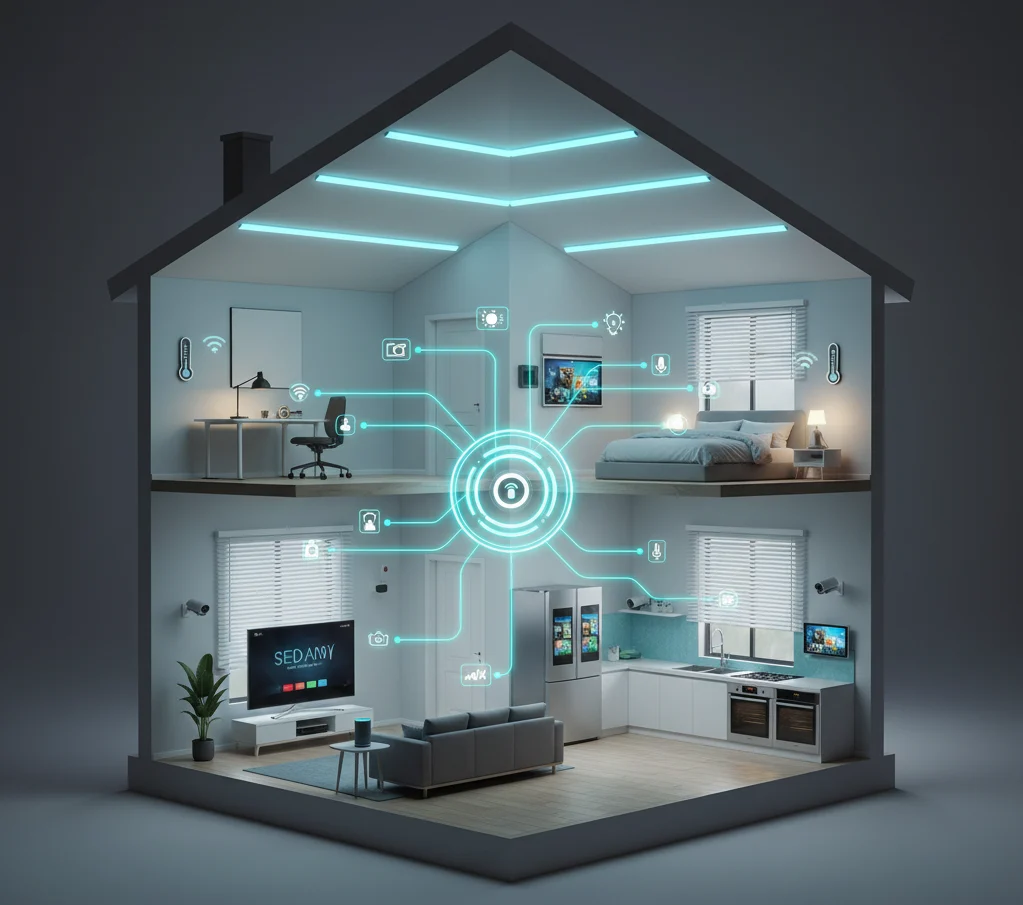
lighting to match employee workflows. What makes smart interiors innovative is their evolution beyond basic automation. Today's systems incorporate machine learning to learn user preferences—such as dimming lights during movie nights or pre-heating coffee makers at dawn. In Coimbatore, where rapid urbanization meets traditional architecture, firms like Cogito are pioneering hybrid designs that merge heritage elements with smart tech, like embedding sensors in colonial-style villas for energy-efficient cooling. Similarly, Bangalore's Silicon Valley vibe fuels demand for high-tech offices, where smart interiors include biometric access and adaptive acoustics to boost productivity. These advancements aren't just gadgets; they're ecosystems that promote wellness, security, and eco-friendliness.
Key Benefits of Automating Your Space
Adopting smart interiors brings multifaceted advantages, particularly in dynamic cities like Coimbatore and Bangalore. First, enhanced comfort is paramount. Automated systems ensure optimal temperature, lighting, and air quality, reducing the need for manual adjustments. For residents in Coimbatore's variable weather, this means homes that self-regulate humidity levels, preventing mold and improving health. In Bangalore, known for its traffic congestion, remote control via smartphones allows users to prepare their spaces before arriving home, like turning on AC or brewing tea.
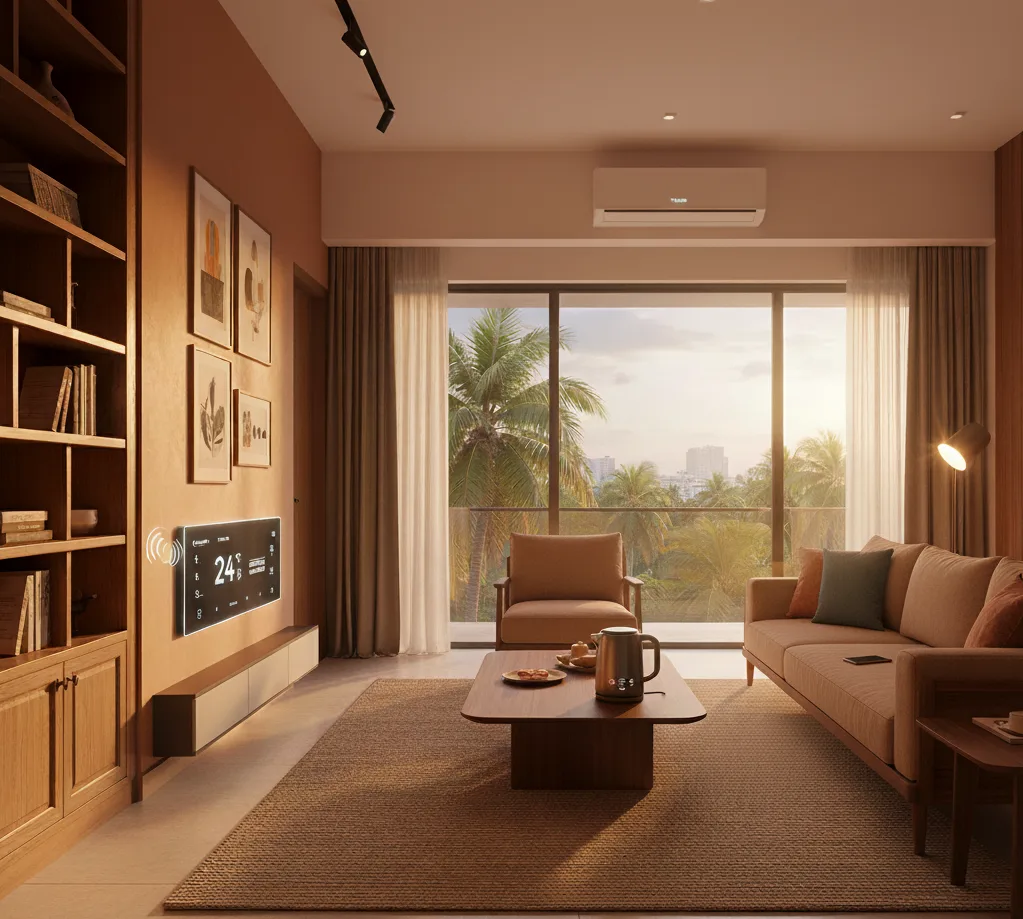
Efficiency is another cornerstone. Smart devices can cut energy bills by 20-30% through intelligent usage—lights turn off when rooms are empty, and appliances operate during off-peak hours. This is crucial in Bangalore's power-strapped areas, where sustainable tech aligns with the city's green initiatives. Security features, such as AI-powered cameras and motion sensors, provide peace of mind, especially in Coimbatore's growing suburbs. Innovative integrations like voice assistants (e.g., Alexa or Google Home) enable hands-free operation, ideal for busy professionals.
Moreover, smart interiors foster sustainability. By monitoring resource use, these systems minimize waste, supporting Bangalore's eco-conscious policies and Coimbatore's industrial eco-reforms. Cogito's expertise ensures these benefits are realized through customized designs, from 3D visualizations to full implementation, making automation accessible and tailored.
Cutting-Edge Technologies Driving the Trend
The backbone of smart interiors lies in innovative technologies that are rapidly advancing. IoT hubs like Zigbee or Z-Wave connect devices wirelessly, ensuring seamless communication. AI algorithms, powered by platforms like Home Assistant, predict needs—adjusting blinds for natural light in Bangalore's sunny offices or optimizing ventilation in Coimbatore's factories.
Voice and gesture control represent a leap in user interaction. Devices from companies like Philips Hue or Nest integrate with ecosystems, allowing commands like "Set evening mode" to orchestrate multiple functions. For commercial spaces, advanced sensors detect occupancy, reducing energy in empty conference rooms. In Coimbatore, Cogito incorporates these in industrial designs, such as automated warehouses where lights and HVAC respond to worker movements.
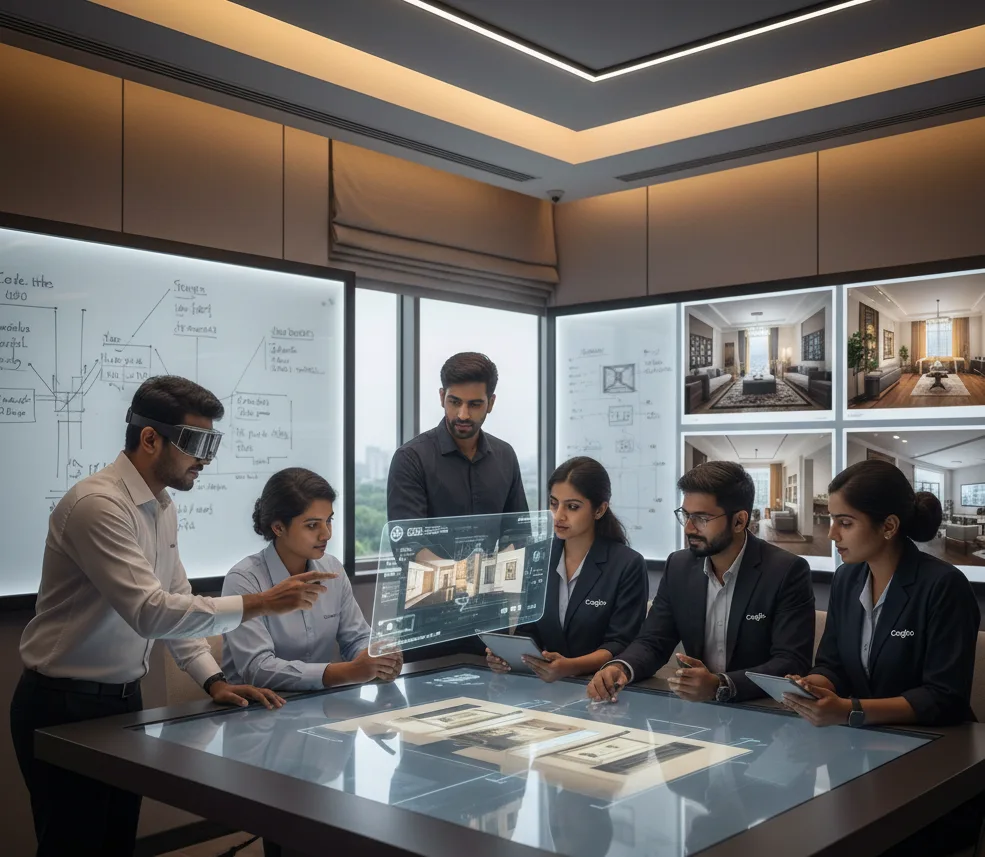
Emerging innovations include augmented reality (AR) for planning. Clients can use AR apps to visualize smart setups before installation, a service Cogito offers through its 3D rendering expertise. Biophilic integrations, blending tech with nature—like automated plant watering systems—enhance wellness in urban Bangalore apartments. Edge computing ensures faster responses by processing data locally, minimizing latency in high-traffic areas.
Implementing Smart Interiors in Coimbatore and Bangalore
Tailoring smart interiors to local contexts is key for success. In Coimbatore, with its textile and manufacturing heritage, Cogito focuses on resilient systems for industrial spaces—think automated MEP (Mechanical, Electrical, Plumbing) designs that integrate smart controls for machinery efficiency. Residential projects might feature solar-powered smart grids, reducing reliance on erratic power supplies.
Bangalore's tech-savvy population demands sophisticated setups. Here, Cogito's services extend to high-rise apartments and IT parks, incorporating cloud-based automation for scalable management. A typical implementation starts with a site assessment, followed by 3D walkthroughs to preview designs. Installation involves certified technicians ensuring compatibility, with post-setup support for maintenance.
Challenges like high initial costs are mitigated through phased rollouts—starting with essentials like lighting before adding security. Cogito's project management consultancy ensures budgets stay on track, with innovative financing options tied to energy savings. For both cities, compliance with local regulations, such as Bangalore's smart city guidelines, is prioritized.
How Cogito Elevates Your Smart Interior Journey
As a Coimbatore-based leader in architecture, interiors, and engineering, Cogito brings over a decade of experience to smart interior projects. Our holistic approach covers everything from conceptual design to execution, including landscape integration for outdoor smart features like automated irrigation. We serve clients in Bangalore through collaborative partnerships, delivering premium 3D animations and virtual tours to visualize automated spaces.
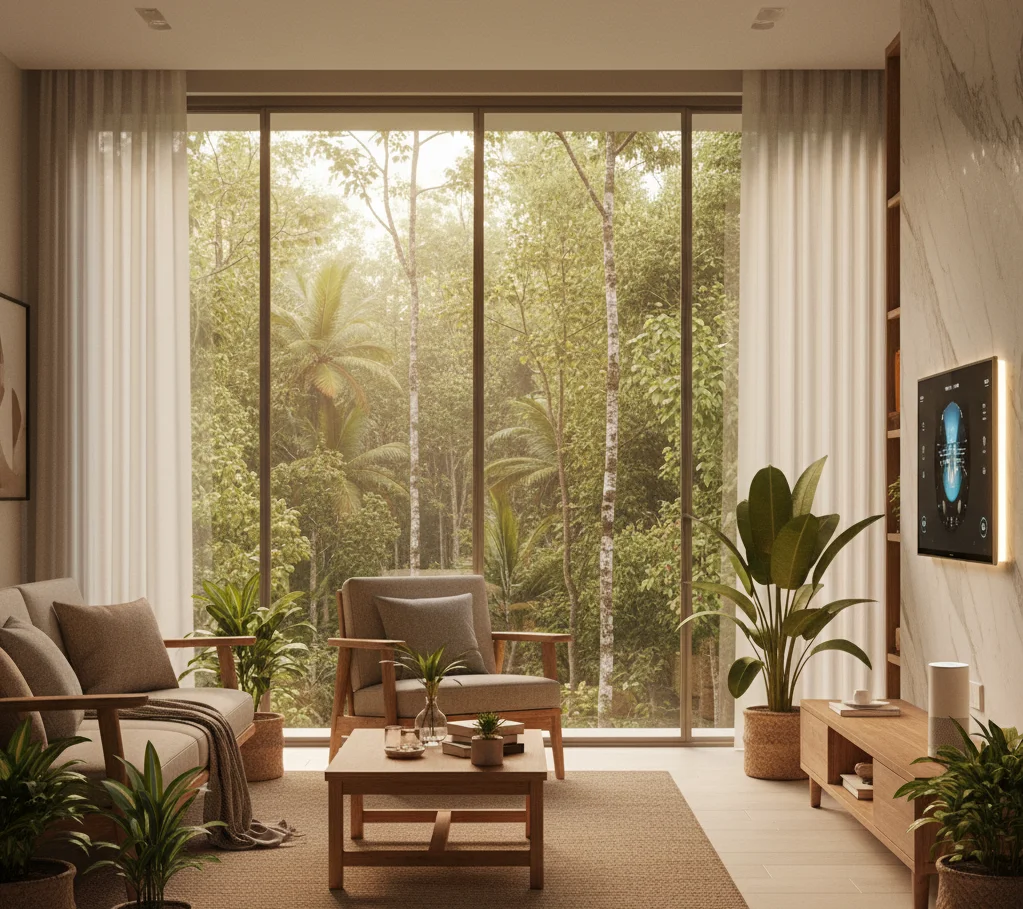
Our innovative edge lies in customizing solutions—whether retrofitting heritage homes in Coimbatore or designing futuristic offices in Bangalore. With a focus on sustainability, we use eco-friendly materials alongside smart tech, ensuring long-term value. Clients benefit from our MEP expertise, guaranteeing seamless integration without disruptions.
Conclusion: Embrace the Future of Living
The rise of smart interiors is reshaping how we interact with our environments, offering unparalleled comfort, efficiency, and innovation. In Coimbatore and Bangalore, where growth meets technology, automating spaces is a smart investment for the future. Partnering with Cogito ensures your project is not just automated but intelligently designed for lasting impact. Contact us today to transform your space into a haven of modern efficiency.

Comments